

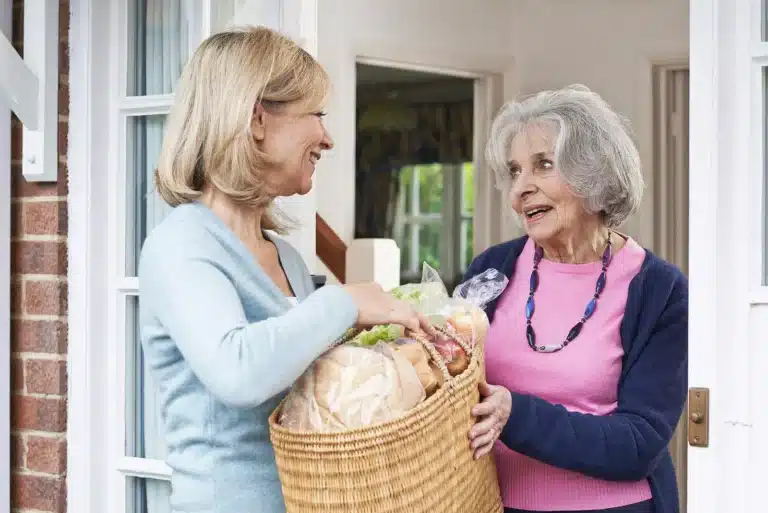
Every September, National Preparedness Month encourages families to think about how they would respond if an emergency disrupted their daily lives. Many people prepare by stocking supplies, reviewing evacuation routes, or updating important documents. While these steps are valuable, there’s another part of emergency planning that is often overlooked: making sure older adults stay connected to other people.
For many seniors, emergencies are more difficult because they live alone or have limited mobility. Severe weather, power outages, flooding, or other unexpected events can quickly leave them feeling isolated. Regular companion care at home provides more than friendly conversation during everyday life—it helps seniors maintain important social connections that can make a significant difference before, during, and after an emergency.
Families often focus on preparing the home itself. Preparing the support system around a senior is just as important.
Emergencies Can Be Especially Challenging for Older Adults
When a storm approaches or another emergency occurs, younger adults can usually adapt quickly. They may gather supplies, drive to a safer location, or communicate easily with family members.
Older adults often face additional obstacles.
Limited mobility may make it difficult to leave the home. Chronic medical conditions can complicate travel plans. Hearing or vision changes may make emergency alerts harder to recognize. Some seniors may even become overwhelmed by sudden changes to their normal routine.
If a loved one already spends much of the day alone, these challenges can become even more stressful.
That is why emergency preparedness involves more than having batteries and bottled water available. It also means ensuring someone is checking in regularly and helping seniors make informed decisions if conditions change.
Isolation Can Become More Serious During a Crisis
Many seniors already experience some degree of social isolation. An emergency can make that situation worse almost immediately.
Road closures, severe weather, and power outages may prevent family members from visiting as often. Community activities may be canceled, transportation may be unavailable, and neighbors may be dealing with their own emergencies.
Without regular contact, an older adult may hesitate to ask for help, even if they need it.
Simple conversations become valuable during these times. A familiar face or reassuring voice can reduce anxiety and remind seniors they are not facing a difficult situation alone.
Emotional support is often just as important as practical assistance.
A Familiar Routine Brings Comfort
Emergencies create uncertainty, and uncertainty can be especially difficult for older adults.
When routines suddenly change, many seniors feel anxious or unsettled. Something as simple as knowing when someone will arrive, having help prepare a meal, or talking through the day’s events can provide welcome stability.
Companionship helps preserve a sense of normalcy when everything else feels uncertain.
Maintaining familiar daily routines whenever possible can reduce stress and help seniors remain calm during situations that might otherwise feel overwhelming.
Another Set of Eyes Can Make a Difference
Family members cannot always be present every day, especially if they live in another city or are balancing work and family responsibilities.
Regular visits provide opportunities to notice changes that could become concerns during an emergency.
For example, someone may observe that a senior:
- Is running low on food or bottled water.
- Appears more confused than usual.
- Is having difficulty moving safely around the home.
- Has forgotten important emergency instructions.
- Seems unusually anxious or withdrawn.
Identifying these issues early allows families to respond before the situation becomes more serious. Sometimes the most valuable support comes simply from noticing that something isn’t quite right.
Helping Seniors Stay Informed
Emergency information changes quickly. Weather forecasts, evacuation notices, and community updates may be difficult for some older adults to follow.
Technology can also create challenges. Not every senior uses smartphones, social media, or emergency notification apps regularly.
Having someone available to discuss developing situations can help seniors better understand what is happening and what steps they should take.
Families gain reassurance knowing their loved one isn’t trying to sort through confusing information alone.
Practical Support During Difficult Times
Emergencies often disrupt ordinary routines.
Power outages may affect meal preparation. Severe weather can delay grocery shopping. Temporary road closures may make it difficult to attend appointments or pick up everyday necessities.
Companion care at home can help seniors adapt to these temporary disruptions by providing assistance with everyday activities while conditions improve.
Support may include:
- Preparing meals with available supplies.
- Helping organize essential items.
- Providing transportation when conditions are safe.
- Offering companionship during extended power outages.
- Assisting with communication between seniors and family members.
These practical forms of assistance can reduce stress while helping older adults remain comfortable in familiar surroundings.
Supporting Emotional Well-Being After the Emergency
The emotional effects of an emergency often continue long after the immediate danger has passed.
Older adults may worry about future storms, feel unsettled after losing power, or become anxious whenever severe weather is forecast again.
Talking about those concerns with someone they trust can be incredibly reassuring.
Simple conversations allow seniors to express fears, ask questions, and process what happened instead of carrying those worries alone.
Maintaining social interaction also helps prevent prolonged isolation that sometimes follows community-wide emergencies.
Families Benefit From Strong Support Networks
Adult children frequently describe one of their biggest concerns during severe weather: not knowing whether their parent is safe.
Phone lines may become busy. Electricity may be interrupted. Travel may not be possible until conditions improve.
Knowing a loved one has regular support in place can ease much of that anxiety.
Instead of wondering how their parent is managing alone, families have greater confidence that someone is helping monitor daily needs and providing companionship during a stressful time.
That reassurance becomes especially valuable for relatives who live several hours away or in another state.
Preparing Before an Emergency Happens
The best emergency plans are created before they are needed.
Families can work with older loved ones to discuss where important documents are stored, identify emergency contacts, review evacuation plans, and assemble emergency supplies.
Just as importantly, they can make sure their loved one has a dependable support system that remains active throughout the year rather than only after an emergency occurs.
Strong relationships built during ordinary days often become invaluable when unexpected situations arise.
At Genacta In Home Care, we understand that preparing for emergencies means caring for both physical safety and emotional well-being. Consistent companion care at home helps seniors remain socially connected, supported, and confident throughout the year, including during periods of uncertainty.
National Preparedness Month is a reminder that emergency planning extends beyond flashlights and first aid kits. Staying connected to others can reduce isolation, ease anxiety, and help older adults respond more confidently when unexpected events occur. With thoughtful planning and meaningful companionship, seniors can face emergencies knowing they are supported by people who genuinely care about their well-being.
If you or an aging loved one are considering companion care at home in Talkeetna, AK please contact the caring staff at Genacta In Home Care today! Wasilla – (907) 631-3078, Anchorage – (907) 644-7952, Soldotna – (907) 260-3655
Genacta In Home Care provides exceptional home care for seniors in Wasilla, Palmer, Houston, Talkeetna, Hatcher Pass, Anchorage, Eagle River, Girdwood, Soldotna, Kenai, Seward, Homer, Ninilchik, Sterling, Nikiski and surrounding areas.
Founded in 2003, Genacta has established itself as the standard in the region’s home care and community-based services. We’ve done this through friendliness, dedication, and genuine regard for the people of our community.
Genacta works hard to ensure the home health and other services we provide is affordable for everyone in the Anchorage Area, Mat-Su Valley, and Kenai Peninsula.
- Home Care vs. Home Health Care: What’s the Difference? - October 12, 2026
- Does Medicare Cover In-Home Care? What It Pays For and Who Pays When It Doesn’t - October 12, 2026
- How Group Homes Support Adults in Building Consistent Daily Routines - October 5, 2026